


ISLAMABAD:
Inflation surged to 11.2% in August, returning to double digits just after one month, driven by the government’s policy to fully recover fuel costs and taxes from consumers coupled with provincial failures in ensuring wheat supplies that contributed to higher food prices in the country.
The Pakistan Bureau of Statistics (PBS) said on Tuesday that measured by the Consumer Price Index (CPI), the annual inflation rate accelerated to 11.2%, returning to double digits just one month after it slipped below 10%. The surge was recorded in both urban and rural areas, with increases in both food and energy group prices.
The reading reflects the outcomes of the government of Prime Minister Shehbaz Sharif’s policy of sticking to fiscal targets agreed with the International Monetary Fund (IMF). The IMF targets require producing a primary budget surplus – a goal the government has been meeting by putting more tax burden instead of rationalising expenses.
The details showed that motor fuel prices were 25% higher than August last year, as the government was charging three different taxes – petroleum levy, carbon levy and customs duty – in addition to recovering the full international prices from consumers. The per-litre tax on petrol was Rs116, while it was Rs101 on high-speed diesel.
As a result, high-speed diesel prices in dollar terms were the highest in South Asia, with petrol second highest after Bangladesh, according to research conducted by Tola Associates.
August’s inflation reading was also slightly higher than the Ministry of Finance’s projection, which a day earlier had given a forecast of 10-11% inflation for the month. The finance ministry said that “inflation may remain somewhat elevated in the near term as recent price pressures and movements in international commodity and energy prices pass through to the domestic economy.”
The ministry stated that CPI inflation moderation to 9.2% in July had indicated easing price pressures that emerged following the global energy shock. The moderation in inflation, alongside relative exchange rate stability and continued macroeconomic discipline, has helped maintain the policy rate, preserve the gains in overall stability, and provide a more supportive environment for economic activity, it added.
The finance ministry said that going forward, maintaining policy discipline and advancing structural reforms will be important for sustainable and inclusive growth, strengthen the economy’s resilience to external shocks, and preserve the gains of macroeconomic stability.
The details showed that food inflation increased to 12.1% in urban areas, one of the highest in recent years. Food inflation was 13.2% in villages and towns last month – also one of the highest in recent months, according to these official statistics.
For the current fiscal year, the government has set an inflation target of 8.2%, and it is the responsibility of the State Bank of Pakistan to ensure price stability and also meet the target. However, the surge in wheat and wheat flour prices, coupled with increased transportation charges, has pushed food prices higher.
The average inflation during the first two months of this fiscal year remained at 10.2%, increasing prospects for further rises in interest rates. The central bank has also unsuccessfully tried in the past to contain imported inflation and administrative decision-pushed price hikes with increases in interest rates.
Non-food inflation also accelerated to 9.4% in urban areas and 11.3% in rural areas, according to PBS.
Core inflation – calculated after excluding volatile energy and food prices – increased both in urban and rural areas last month, recording in the range of 8.5% to 8.8%.
The highest increase in any consumer items group was in transport, where inflation went up by 20.2% last month compared to a year ago, showing the impact of increased transport fares because of constant rises in high-speed diesel and petrol prices.
The details showed that tomato prices went up by 128% last month over the same period of the previous year. Wheat prices also increased by 87% in August, followed by a 73% increase in wheat flour prices.
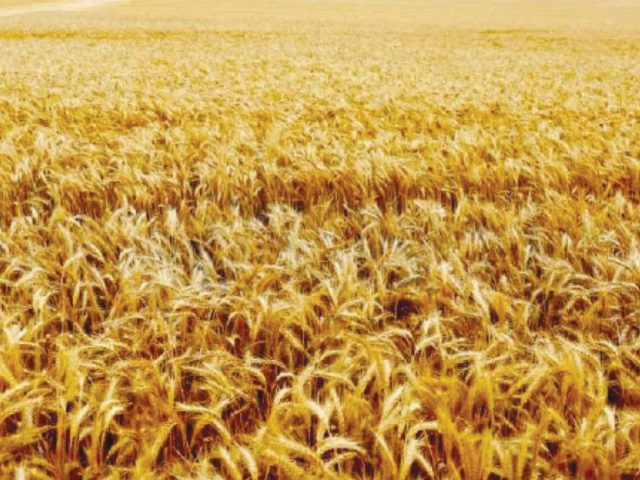
The federal government has decided to import up to one million metric tonnes of wheat on the request of provinces – just four months after harvesting and official claims that the country produced 29.7 million metric tonnes of wheat this year.
The governments of Sindh and Punjab have failed to meet their procurement targets. Despite conducting raids to recover hoarded commodities, provincial authorities have been unable to arrest growing prices.
The PBS reported that onion prices – another essential kitchen item – increased 125% last month over a year ago. Milk products also became nearly 10% more expensive compared to a year ago, according to the national data collecting agency.
Potato prices decreased 23%, followed by a 17% reduction in sugar prices. Sugar prices are not increasing due to availability of sufficient stocks, but the government, succumbing to pressure last month, allowed the export of 108,000 metric tonnes of imported sugar.