


The US weather agency National Oceanic and Atmospheric Administration (NOAA) has issued a stark warning regarding the advent of “historically powerful” El Nino on Thursday.
According to NOAA, El Nino has developed in the tropical Pacific and the warm phase of El Nino Southern Oscillation (ENSO) is expected to intensify to the ”strong level” this fall.
As per forecasts, the researchers predict that there are 63 percent chances that sea surface temperatures are going to exceed 2 C in the Pacific region. NOAA warns that if this threshold is exceeded, the chances of forming a “very strong El Nino” is very high. It “would rank among the largest El Nino events in the historical record going back to 1950.”
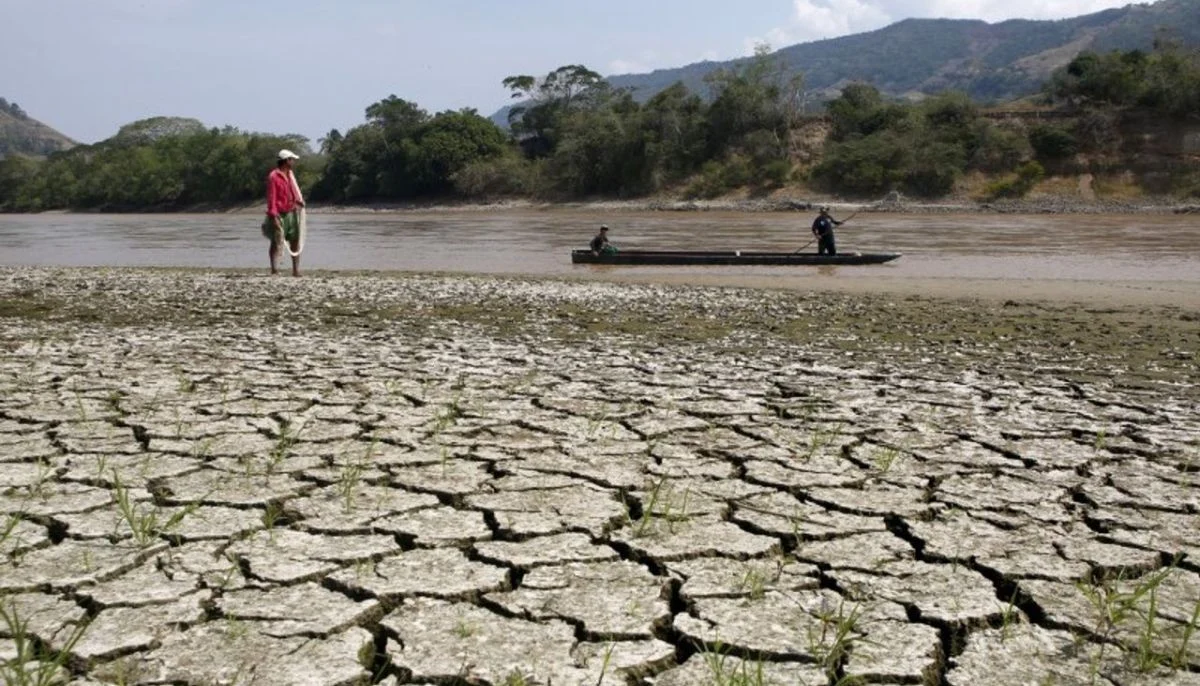
When it comes, El Nino will exacerbate weather events globally ranging from record-high temperatures, and floods to prolonged droughts.
Expert concerns
Experts forecast that this event will equal or exceed the intensity of the catastrophic 1997 El Nino, which caused billions of dollars in losses through severe droughts, floods, heatwaves, wildfires, and tornadoes.
“There are 7 very strong events in our record, so this event has a decent chance of reaching that level. There is still some uncertainty, with a 1-in-3 chance of this not being a very strong El Nino,” Michelle L’Heureux said.
According to meteorologist Haley Thiem from the US agency, “El Nino is here, and it could be one for the history books.”
Clark University climate scientist Abby Frazier also issued a stark warning that El Nino is set to introduce “a lot of extra heat to the surface, fueling a lot of extreme events for a lot of places around the world.” but in the Pacific, ” the conditions can get dire very quickly.”
As per some climate experts, the heavy dependence of the world on fossil fuels would add fuel to the fire lit by the El Nino’s drastic conditions.
“While El Nino is a naturally occurring phenomenon, there is evidence that fossil fuel-caused climate change is making El Nino events more intense,” cautioned Marc Alessi of the Union of Concerned Scientists.
Early this month, the UN General Secretary Antonio Guterres urged the international community to be prepared for this climate emergency.
Guterres said, “The science is clear and El Nino is arriving on our doorstep in the coming months with 90% certainty.”
“The world must treat it as an urgent climate warning and El Nino severe conditions will pour fuel onto a fire of warming worlds. And impacts will even hit harder, travel further and cross borders with devastating speed,” he added.
What does El Nino mean for the US?
According to NOAA predictions, in the wake of a typical El Nino winter, the jet stream over the North Pacific Ocean will shift toward southward, bringing stormy conditions over the Southern US.
However, the Northern US will experience warmer than usual winter. Northern Rockies, Ohio and Tennessee valleys will face drier conditions.
Forecasters also confirmed that a major global weather phenomenon will significantly influence Louisiana’s weather and climate this summer.
The far-reaching effects of Super El Nino are expected to linger well into the fall and winter months, acting as a major driving force for the Atlantic Hurricane Season.
Regional weather impacts
The Super El Nino would reduce Atlantic hurricane activity in the US East and Gulf coasts. But the activity will increase in the Pacific, putting Hawaii and other islands at higher risk.
The Middle East is expected to benefit drought-stricken areas. Western South America is likely to see intense rain, floods and extra-warm summers. India would face intense heatwaves and Australia is expected to be threatened by drought, wildfires, and extreme heat.
North-eastern Africa is prone to “weather whiplash,” shifting from intense drought to dangerously heavy rains.