



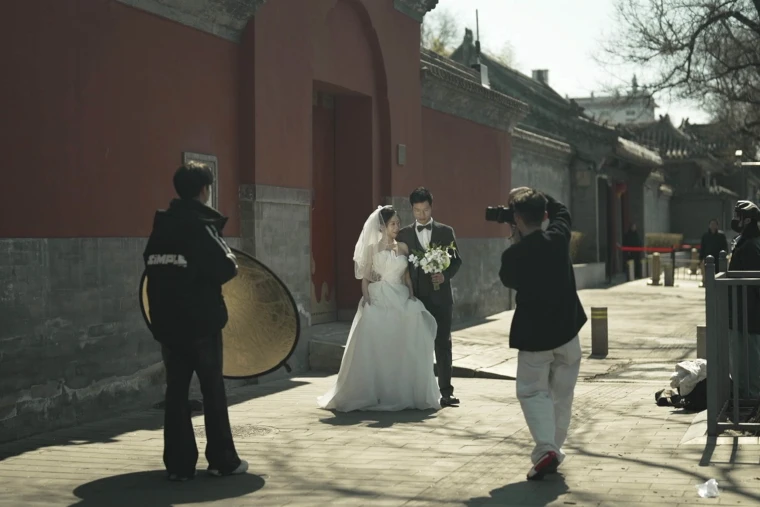
BEIJING — The streets around Beijing’s iconic Forbidden City are often filled with brides and grooms, posing for wedding photos against auspicious red backdrops in a place that strongly reflects Chinese culture and tradition. But the tradition of marriage itself is in sharp decline and is spurring a demographic crisis in what was once the world’s most populous nation.
Subscribe to read this story ad-free
Get unlimited access to ad-free articles and exclusive content.

Though Ding Ying, 29, has Forbidden City photos with her husband, she told NBC News she “wasn’t too keen” on getting married until she happened to meet the right person.
As for what dissuaded her and her peers from tying the knot, she said the answer was simple: “Life pressure.”

FORSUBSCRIBERS

Why people in China are choosing pets over parenthood
02:18
Marriage has long been considered a given in China, where it is still very much a social prerequisite to having a family. But both marriage and parenthood appear to be losing appeal to young Chinese as they fret over fierce job competition, slowing economic growth and a lack of work-life balance.
“Young adults have shifting ideals about what kind of family they want and have shifting ideals about what kind of life they want for themselves,” said Yun Zhou, a social demographer and family sociologist at the University of Michigan.
According to official data released last week, China had fewer than 1.7 million marriage registrations in the first quarter of this year, a 6.2% drop compared with the same period last year and half the levels of 2017.
The birth rate is also at a record low, and the country’s rapidly aging population declined for the fourth consecutive year in 2025.
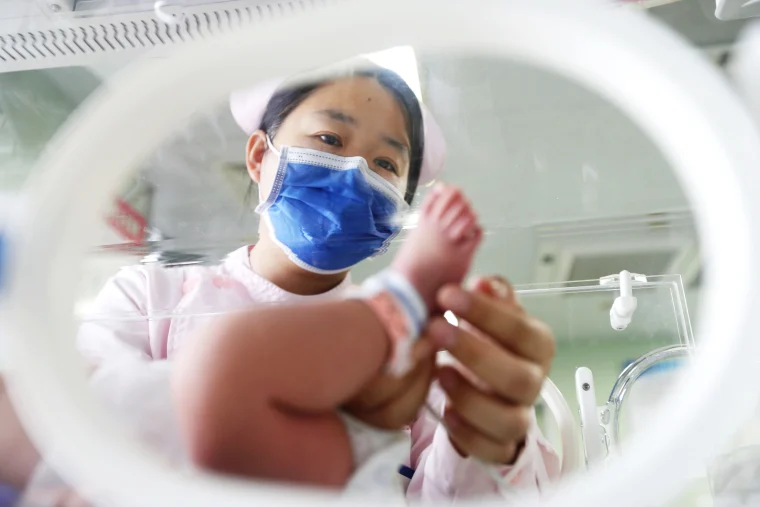
That is alarming for Chinese officials who have already seen the country lose its status as the world’s most populous nation to India, which has closer to 1.5 billion people compared with China’s 1.4 billion.
It was only a decade ago that China ended its one-child policy, which was introduced in 1979 amid concerns that the population was growing too quickly. Married couples are now allowed to have as many as three children, but not many do.
Officials have therefore made boosting birth rates a priority, rolling out a slew of measures including subsidies, child care support and greater family leave. At the start of the year, they imposed a 13% tax on condoms, birth control pills and other contraceptives that experts say is mostly symbolic.
The government has also turned to universities, urging them to provide “love education” that emphasizes positive views on marriage, love, fertility and family. In March, one university in Sichuan province encouraged students to “fall in love” during their spring break.
Since 2024, students can even get a university degree in marriage. The Beijing-based Vocational University of Civil Affairs offers a four-year program in marriage services and management, which aims to teach students how to engage with “the entire cycle of marriage and family,” according to the dean of the university’s School of Wedding Culture and Media Arts, Yu Xiaohui.
The program includes matchmaking, wedding services, and marriage and family counseling, Yu said.
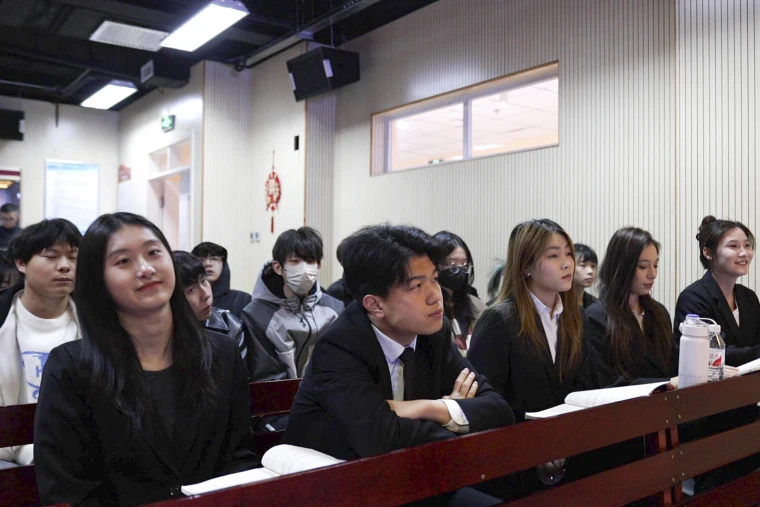
“The only challenge here is marriage and family counseling,” she said, especially for students born after 2000, “many of whom may not have even experienced a relationship yet.”
Yu said that, as China has strengthened its social safety net, people are less worried about having to rely on others.
“They don’t feel the need to have children to take care of them, nor do they need a spouse for support. They believe they can live well on their own,” she said.
People are also interacting less face-to-face amid a rise in social media, which has made dating harder, some say.
“Even though everyone needs to face the issue of marriage, no one has really taught us how to get married or how to maintain a marriage,” said Huang Jie, a student at the Vocational University of Civil Affairs.
Huang said the decline of marriage was a “global problem” and “not unique to China,” pointing to the social changes that come with economic development.
His classmate Zhang Mengzhuo agreed, saying the cost of marriage has increased along with China’s rise in education levels.
“For example, as women’s status gradually improves, their views have also changed. They no longer see marriage as a necessary option in life,” said Zhang, who hopes to become a marriage registrar or wedding planner.
The government has made women the focus of its pro-natalist campaign, with President Xi Jinping calling on them in 2023 to “actively cultivate a new culture of marriage and childbearing.”
Chinese employers are also adding to the pressure, with one company threatening staff at the start of last year with possible termination if they were still single by September, only to withdraw the notice after public outrage.
Even jokes are cause for concern. Chinese phone manufacturer Oppo said Monday it had “severely punished” some of its marketing employees for “ignoring the bottom line of mainstream societal values” after the firm’s social media account made a crack about infidelity.
The ad prompted a rebuke from Zhejiang province officials, who said that having “two husbands is not funny at all.”
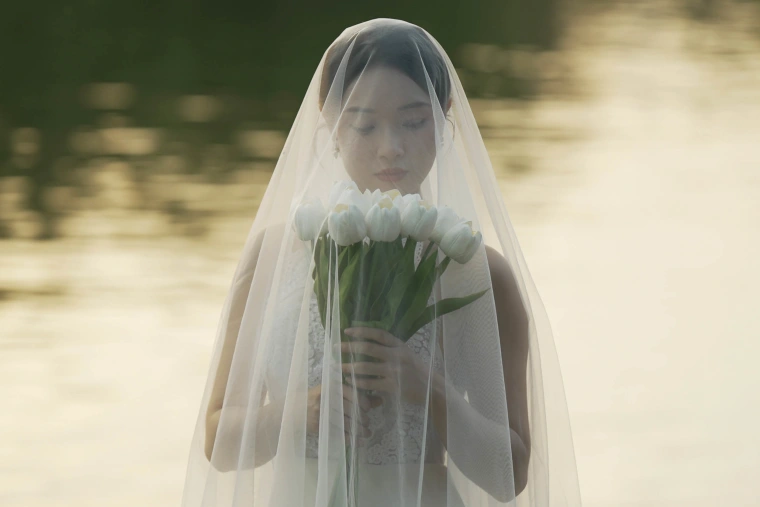
Zhou, the demographer, said the Chinese government’s seriousness about having children stems from what the state believes is an “ideal Chinese family.” But it comes as highly educated urban Chinese women are confronting a “vision that promotes women’s roles at home, and an intensely discriminatory labor market, and their own desire of wanting a life of their own,” she said.
China’s demographic trends will be difficult to reverse, Zhou said. Without an even stronger social safety net and an “unequivocal commitment to gender equality,” she said, the government’s measures — whether easing birth restrictions or taxing condoms — “are unlikely to lead to a meaningful rebound in fertility.”
Janis Mackey Frayer and Dawn Liu reported from Beijing and Mithil Aggarwal from Hong Kong.