

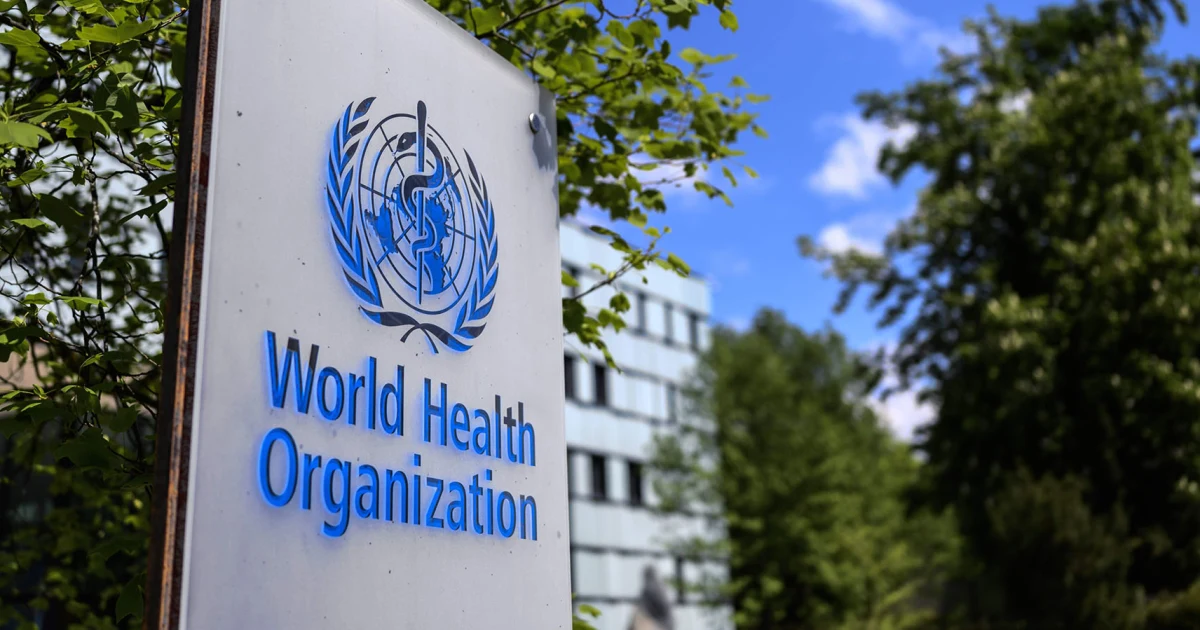
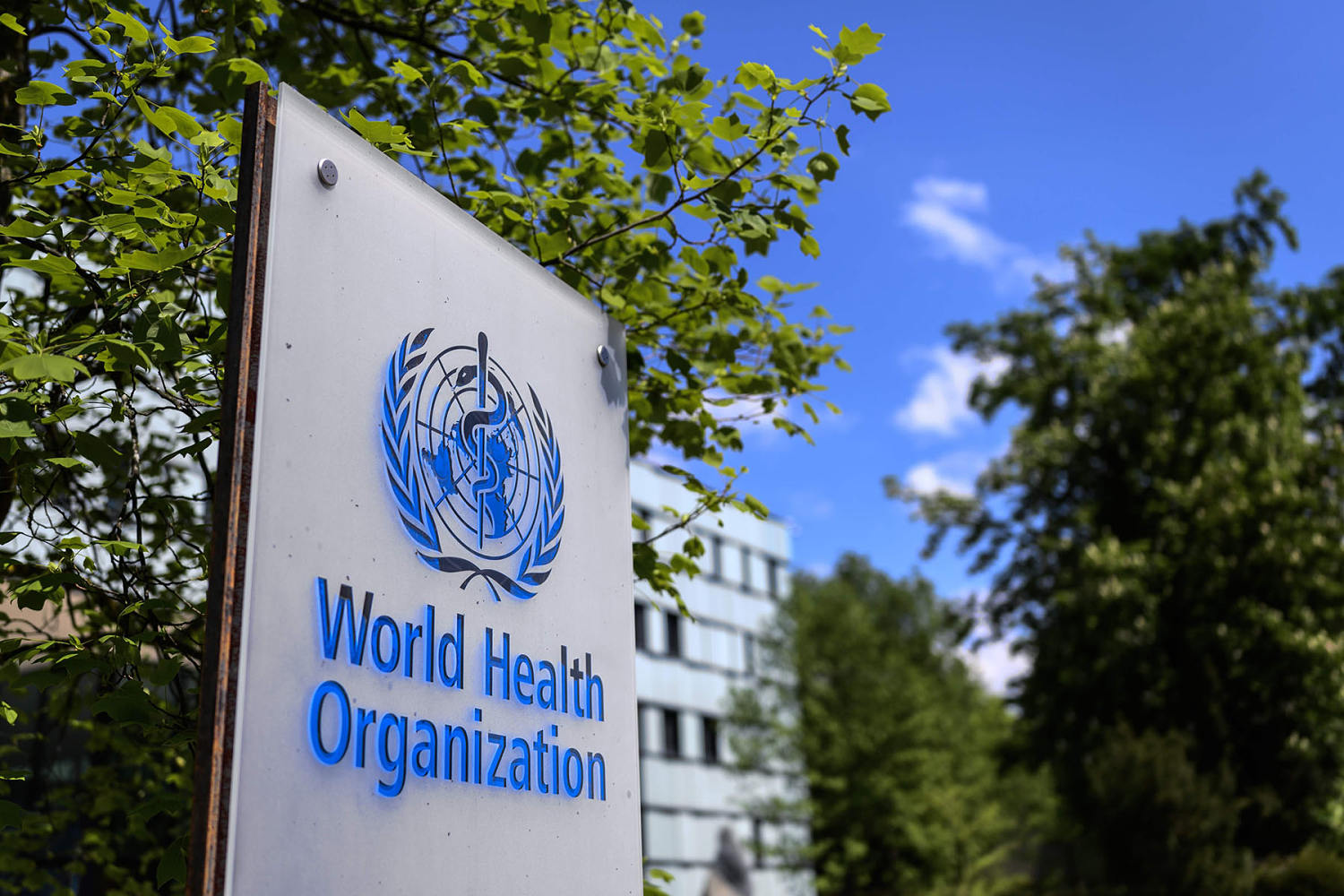
The United States has terminated its partnership with the World Health Organization, opting instead to work directly with other countries and private groups on global health matters, administration officials said Thursday.
“The U.S. will continue to lead on global health, but it will not be done through the WHO,” a Department of Health and Human Services official said on a call with reporters. HHS declined to allow its representatives to speak on the record.
Instead, the official said, the administration plans to rely on relationships with other countries, as well as partnerships with nongovernmental and faith-based organizations.
No details were provided, however, about whether those organizations have appropriate laboratory credentials necessary for surveillance of emerging diseases.
“We’ve done an analysis. We have plans in place,” a second official on the call said.
Infectious disease experts warned that the exit from WHO is likely to leave dangerous blind spots in disease surveillance and preparedness — particularly when it comes to one of the most vexing and deadly illnesses the U.S. encounters every year: the flu.
The break-up comes just ahead of an annual meeting the WHO convened to discuss which flu strains vaccine manufacturers should include in next season’s shots. The U.S. has long played a major role in the meeting.
HHS officials declined to say whether the U.S. will participate in the meeting, scheduled for Feb. 27.
The U.S. is in the middle of a nasty flu season. The Centers for Disease Control and Prevention estimates that 18 million people have been sickened so far and that nearly 10,000 people, including 32 children, have died.
Jesse Bump, a global public health expert at the Harvard T.H. Chan School of Public Health, called the administration’s action “an act of monumental stupidity.”
“The reason this matters, in the most immediate sense, is that WHO has a network of 127 laboratories all around the world, and those laboratories detect and sequence flu strains,” Bump said. “WHO is sort of like a library, and the U.S. has had a card to walk right in, get the information you want. We no longer have access. We don’t have that library card.”
Dr. Judd Walson, chair of the department of international health at the Johns Hopkins Bloomberg School of Public Health, said it’s extraordinarily difficult to compare infectious disease notes between countries without a unifying group like WHO.
“If you have a big surge in a particular disease like flu in country A and you don’t see it in country B but they’re using different diagnostics, they’re sampling different populations, it’s impossible to make those comparisons,” Walson said.
Such surveillance is particularly useful when it comes to flu strains that pop up, like the H3N2 subclade K strain that has dominated the spread of flu so far this year.
The exit from WHO has been in the works since the first Trump administration. As the coronavirus pandemic took hold in April 2020, President Donald Trump accused the WHO of “severely mismanaging and covering up” the crisis — specifically the initial outbreak in Wuhan, China.
On the first day of his second term in January 2025, Trump notified the WHO that the U.S. would officially withdraw from the organization within a year.
“Today, we are fulfilling that promise,” an HHS official said Thursday. “We relied on them, and they failed, and they took no ownership of their failure. We tried to engage with them. We tried to broker something, and there was just no path forward for us.”
Stephanie Psaki, a distinguished senior fellow at the Brown University School of Public Health who was coordinator for global health security during the Biden administration, said she’s concerned that pulling out of the WHO will leave the U.S. more vulnerable than even before the pandemic.
“These decisions are not being made based on a strategy or a plan to protect Americans. They’re being made, it seems to me, based on frustrations or vendettas from six years ago,” Psaki said. “That is scary.”