


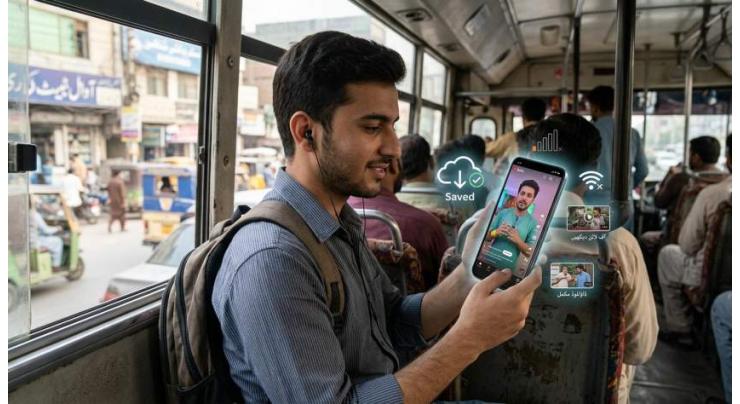
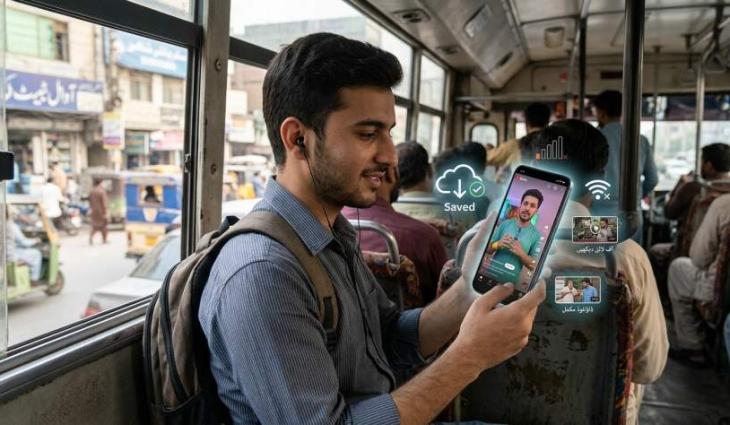
Walk into any bus, metro carriage, or waiting room in a Pakistani city today and you will see the same thing: people watching videos on their phones
Walk into any bus, metro carriage, or waiting room in a Pakistani city today and you will see the same thing: people watching videos on their phones. Not scrolling through feeds. Not reading. Watching. YouTube, TikTok, Instagram Reels, all playing on screens that fit in a pocket. The smartphone has become the primary entertainment device for millions of Pakistanis, and video is what fills it.
What is less visible but equally significant is what happens before those bus rides begin. A growing number of Pakistani users are downloading videos at home or at work on WiFi before they leave, so they have something to watch regardless of signal quality or data availability later. This offline-first habit is quietly changing how YouTube is consumed in Pakistan, and it is particularly visible in how people engage with YouTube Shorts.
Shorts Changed What Pakistani Viewers Expect
YouTube Shorts launched globally and quickly found a massive audience in Pakistan. The format, vertical videos under 60 seconds, fits the way most Pakistanis already use their phones. Over 70 percent of global YouTube watch time happens on smartphones according to data from Think with Google, and Pakistan skews even more heavily mobile given the country’s infrastructure. People hold their phones vertically. Shorts plays directly into that.
The content that performs well in Pakistan on Shorts reflects the same things that have always drawn audiences here. Cricket highlights, comedy clips, cooking tips, religious content, news summaries, and motivational snippets all circulate widely. What Shorts changed is the pace. A viewer who might have watched one 15-minute video now watches 20 Shorts in the same time, sampling content from dozens of creators in a single session.
This shift in behavior has also changed what people want to save. Short clips are easier to download, take up less storage, and can be rewatched casually in moments when you only have 30 seconds. The demand for tools that handle Shorts downloads specifically has grown alongside the format itself.
The Data Problem That Drives Offline Viewing
Pakistan has over 158 million mobile broadband subscribers, but data costs remain a meaningful consideration for a large portion of users. A typical monthly mobile package offers between 5 and 15 GB of data. Streaming video even at moderate quality consumes that quickly. A single hour of YouTube at 720p uses roughly 500 to 700 MB. For someone who watches an hour of content daily, a 5 GB package is gone in about a week.
The practical response most users have settled on is downloading on WiFi. Home connections, office networks, and university WiFi are used to fill the phone with content before heading out. That content then plays throughout the day without touching the mobile data allowance. It is a simple habit but one that represents a meaningful change in how streaming platforms are actually used in markets like Pakistan.
YouTube has acknowledged this dynamic. The platform experimented with automatic Shorts downloads for Premium users on Android, a feature called Shorts Smart Downloads that pre-loads recommended content based on viewing history. The experiment signals that even YouTube recognizes offline consumption as a genuine behavioral pattern worth supporting, not just a workaround.
How Pakistani Users Are Downloading Shorts and Videos
For users who want to save YouTube content without paying for Premium, browser-based tools have become the standard solution.
A tool like VidsSave allows users to do a straightforward youtube video download VidsSave for any public YouTube video or Short directly from their mobile browser. The process is the same whether the content is a 10-minute tutorial or a 45-second Shorts clip: copy the link, paste it into VidsSave, select a quality option, and download.
The result is a standard MP4 file that saves to the phone’s storage and plays in any media app. There is no expiry attached to the file, no account required to access it later, and no dependency on an active subscription. Once it is downloaded, it belongs to the device.
For Shorts specifically, VidsSave has a dedicated page that handles the format directly. The youtube shorts download page processes vertical video links and delivers the file in the same vertical MP4 format in which it was originally uploaded. Pakistani users who follow specific creators on Shorts can use this to build a local library of clips they want to revisit without relying on the algorithm to surface them again.
Who Is Driving This Trend
The offline viewing habit in Pakistan is not concentrated in a single demographic. Students are among the heaviest users of download tools. Board exam preparation, university lectures, CSS study material, IELTS practice content, all of it circulates on YouTube and all of it gets downloaded by students who want reliable access during study sessions without depending on internet availability.
Commuters are another large group. Karachi, Lahore, Islamabad and other major cities have significant populations that spend 30 minutes to over an hour in daily transit. Downloading content before the commute and watching during it is a practical use of time that a lot of people have adopted.
Families with children use download tools to pre-load educational cartoons, learning content, and Islamic material for children who watch on shared devices. Parents prefer to control what is pre-loaded rather than letting the recommendation algorithm decide in real time.
What This Means for How YouTube Is Used Here
The offline viewing trend in Pakistan reflects something broader about how streaming platforms function in markets where data is limited and connectivity is uneven. YouTube is the platform, but the experience is increasingly curated in advance and consumed offline. The recommendation algorithm matters less when users are selecting content to download intentionally rather than following autoplay.
This is a meaningful distinction. It puts more decision-making power in the hands of the viewer and less in the hands of the platform. Pakistani users who download their content are, in a practical sense, building their own playlist rather than accepting whatever the algorithm serves next.
As mobile broadband coverage improves and data packages become more generous, some of this offline behavior may shift back toward live streaming. But the habit of downloading intentionally, particularly for Shorts content that is short enough to save in bulk, appears embedded in how many Pakistani smartphone users relate to YouTube. The trend is not going away anytime soon.