


Bangladesh began official campaigning on Thursday for the hugely anticipated general elections next month, the first since the 2024 uprising ended the autocratic rule of Sheikh Hasina.
Tens of thousands of flags-waving supporters of key frontrunner Tarique Rahman of the Bangladesh Nationalist Party (BNP) crowded the streets of the northern city of Sylhet, chanting his name.
“We have liberated the country from autocratic rule,” prime ministerial hopeful Rahman, who returned to Bangladesh in December after 17 years in exile, told crowds of BNP loyalists. “Now we must establish the rights of the people.”
Rahman vowed to create jobs for “millions of unemployed youth” and support women’s economic independence.
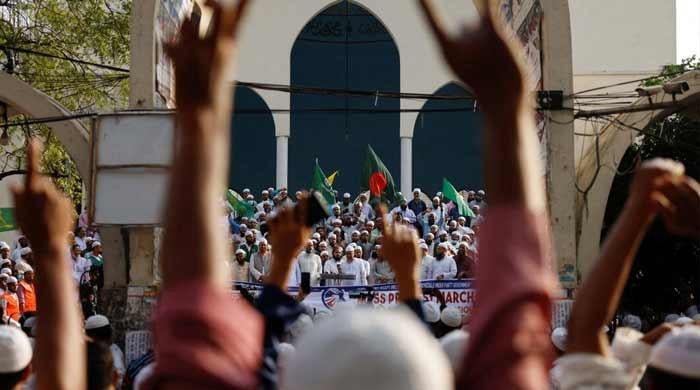
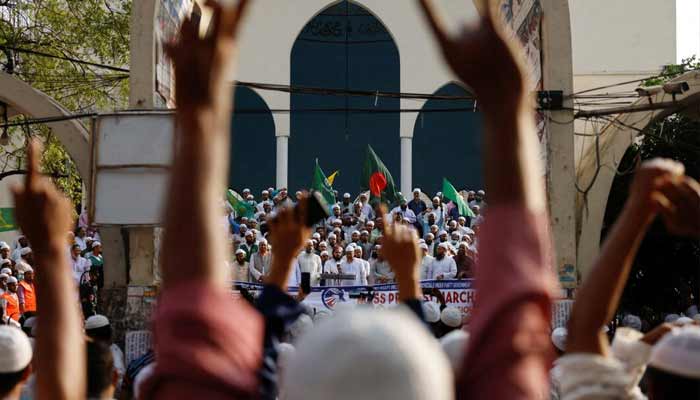
Key rival Jamaat-e-Islami — the largest religious party in the Muslim-majority nation of 170 million — began its campaign in the capital Dhaka, after being crushed during Hasina’s 15 years in power.
Jamaat’s leader Shafiqur Rahman said he wanted to clamp down on corruption and build a nation where “people from all races, religions and communities will be treated equally”.
Among the sea of Jamaat supporters was Kakoli Akter, 36, who said it was the first election rally she had ever attended.
Although eligible to vote since 2008, she said this would be the first time she would cast a ballot, as she could finally support the party of her choice.
“We came here to pray for the party,” she said.
The South Asian nation votes on February 12 to elect 350 lawmakers, polls that will bring in new leadership after prolonged turmoil following the ouster of Hasina’s government, reshaping domestic politics and regional dynamics.
It comes against the backdrop of insecurity — including the murder last month of a student leader of the anti-Hasina protests — as well as warnings of a “flood” of online disinformation.
‘Progress of reform’
Rahman, 60, better known in Bangladesh as Tarique Zia, assumed leadership of the BNP following the death of his mother, former prime minister Khaleda Zia, who died in December at the age of 80.
Bangladesh, home to one of the world’s largest Muslim-majority populations, has a significant Sufi following, and the BNP’s Rahman followed tradition to launch his campaigns in Sylhet, home to the centuries-old shrine of Shah Jalal.
Jamaat-e-Islami began its campaign in the capital Dhaka.
Ideologically aligned with the Muslim Brotherhood, the Islamists are seeking a return to formal politics after years of bans and crackdowns.
The National Citizen Party (NCP), formed by student leaders who spearheaded the uprising, now allied with Jamaat, launched their campaign with its chief Nahid Islam urging voters to “carry forward the progress of reform”.
‘New Bangladesh’
Muhammad Yunus, the 85-year-old Nobel Peace Prize laureate, who returned from exile in August 2024 at the behest of protesters to lead a caretaker government as “chief adviser”, will step down after the polls.
Yunus said he inherited a “completely broken” political system, and championed a reform charter he argues is vital to prevent a return to authoritarian rule, with a referendum on the changes to be held on the same day as polling.
“If you cast the ‘yes’ vote, the door to building the new Bangladesh will open,” Yunus said on January 19, in a broadcast to the nation urging support for the referendum.
Earlier this month, he warned he was “concerned about the impact” a surge of disinformation could have.
“They have flooded social media with fake news, rumours and speculation,” Yunus said, blaming both “foreign media and local sources”.
Relations with neighbouring India have soured after Hasina escaped to her old ally New Delhi as protesters stormed her palace.
Hasina, 78, sentenced to death in absentia in November for crimes against humanity for the deadly crackdown on protesters in her failed bid to cling to power, remains in hiding in India.