


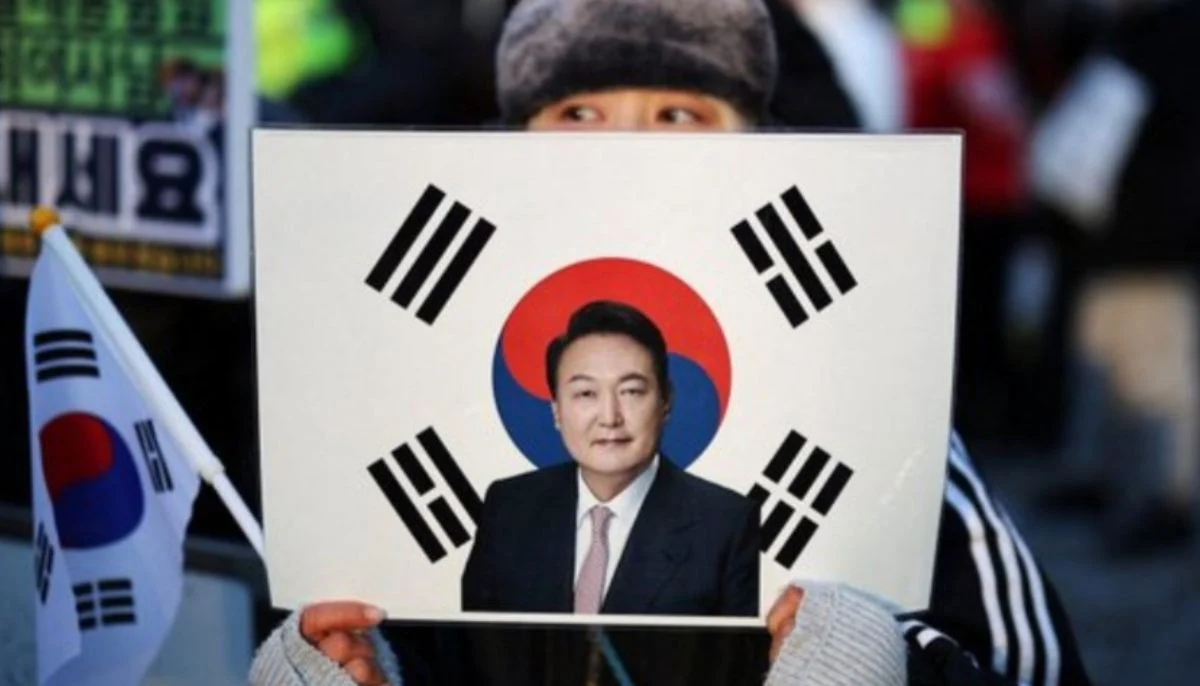
A South Korean court on Friday, January 16, 2026, sentenced former President Yoon Suk Yeol to five years in prison on charges that included obstructing attempts by authorities to arrest him following his failed bid to impose martial law in December 2024.
The Seoul Central District Court found Yoon guilty of mobilizing the presidential security service to block authorities from executing an arrest warrant to investigate him for his martial law declaration.
As reported, the 65-year-old former prosecutor was also found guilty of charges that included fabricating official documents and failing to follow the legal process required for martial law, which has to be discussed at a formal cabinet meeting.
The ruling is the first judicial decision to address the illegality of both the declaration and implementation of martial law.
Court proceedings:
“The defendant abused his enormous influence as president to prevent the execution of legitimate warrants through officials from the Security Service, which effectively privatized officials—loyal to the Republic of Korea for personal safety and personal gain,” the lead judge on the three-justice panel said.
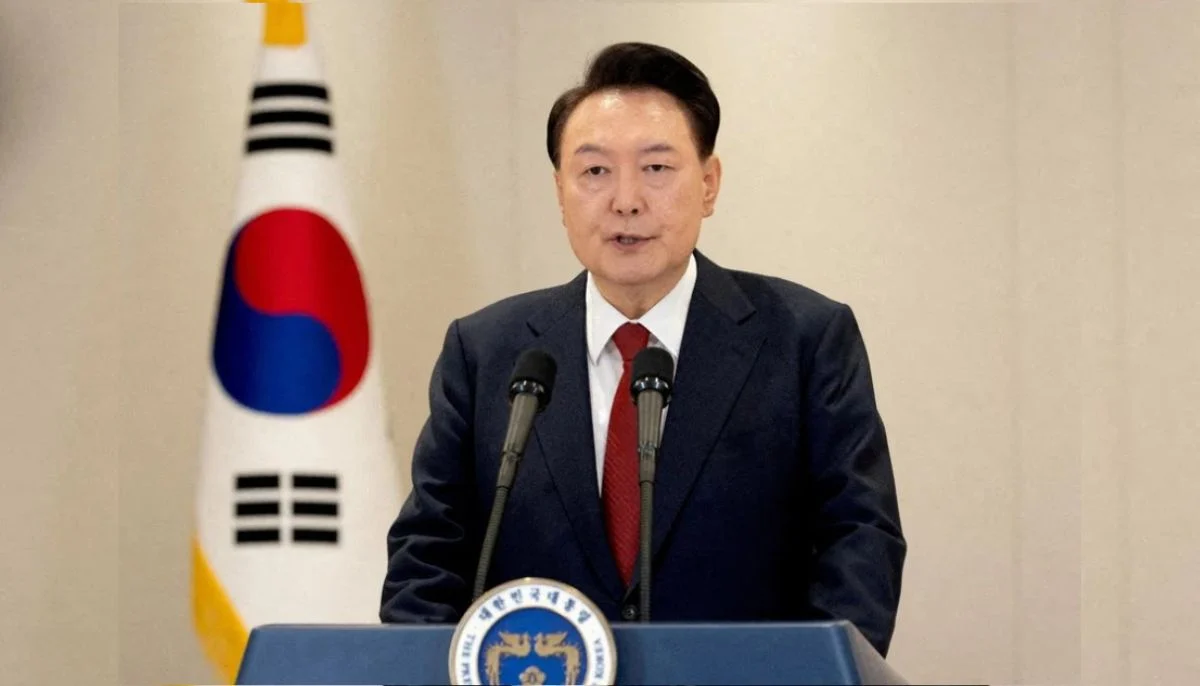
The proceedings were broadcast live as Yoon attended the hearing wearing a white shirt and navy suit and showed no visible reaction throughout, including when the court delivered the sentence.
“Despite having a greater duty than anyone else as president to uphold the Constitution, he instead disregarded measures designed to prevent presidential arbitrariness,” Judge Baek Dae-hyun of the Seoul Central District Court said.
Earlier this week, prosecutors sought the death penalty for Yoon in a separate trial on charges of leading an insurrection.
Prosecutors argued his alleged actions posed a grave threat to the constitutional order and warranted the maximum punishment allowed under South Korean law. Insurrection is one of the few crimes still punishable.
Court verdict:
The court found Yoon guilty of abusing presidential authority and violating constitutional procedures while attempting to impose martial law without meeting the legal requirements for a national emergency.
According to prosecutors, the former South Korean president:
• Obstructed investigators by using his presidential security team
• Destroyed official documents
• Misused emergency powers for political purposes
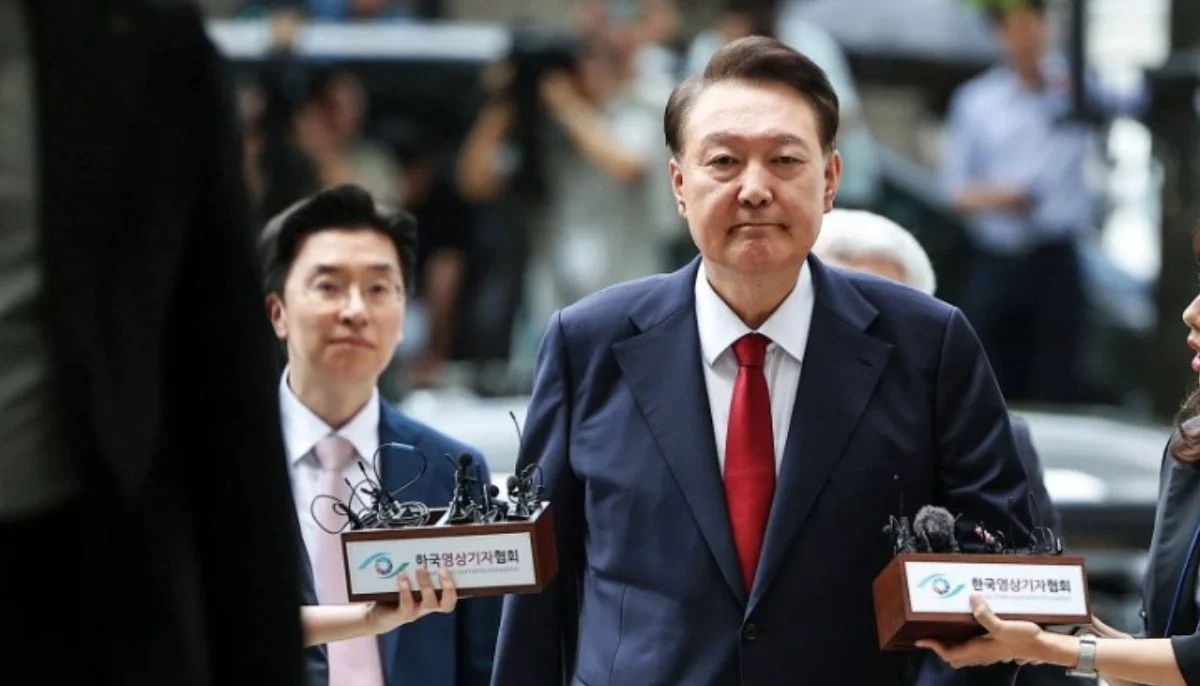
The judges stated that martial law can only be invoked during extreme national crises and that Yoon’s actions failed to meet that threshold.
The Seoul court verdict is being seen as a defining moment for South Korea’s democracy.
Political analysts informed the ruling sends a clear message that no one is above the law, not even former presidents.
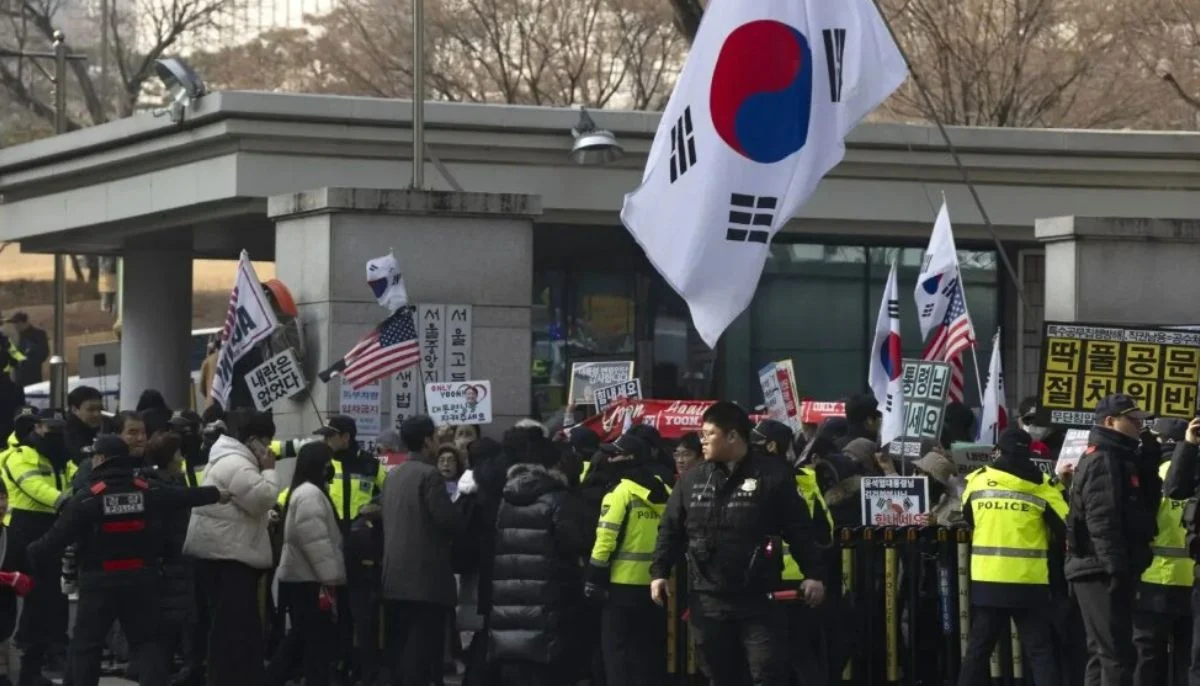
The case has deepened political divisions, sparked protests by Yoon’s supporters, and reinforced judicial independence in South Korea.
Opposition parties also welcomed the verdict, calling it a victory for constitutional order, while Yoon’s legal team described the ruling as politically motivated.
Background:
In December 2024, Yoon unexpectedly announced martial law, citing political instability.
However, the move triggered immediate backlash across the country.
South Korea’s National Assembly rejected the order within hours, followed by massive public criticism.
Lawmakers then initiated impeachment proceedings.
In April 2025, Yoon was officially removed from office by the Constitutional Court, becoming one of the few South Korean presidents to face impeachment and criminal prosecution.
Global impact of the president’s sentence:
The sentencing of a former South Korean president is not just a domestic issue. While it also highlights the limits of emergency powers, the strength of democratic institutions as well as the accountability of elected leaders.
International observers are closely watching the outcome of Yoon’s remaining trials, as they could further shape South Korea’s political future.
Yoon’s verdict:
Notably, former South Korean President Yoon’s verdict is still pending, yet he has the legal right to appeal the sentence, and his lawyers have indicated they will challenge the verdict in higher courts.