


Finance minister cites 20 foreign investors in 18 months, remittances expected to top $41bn
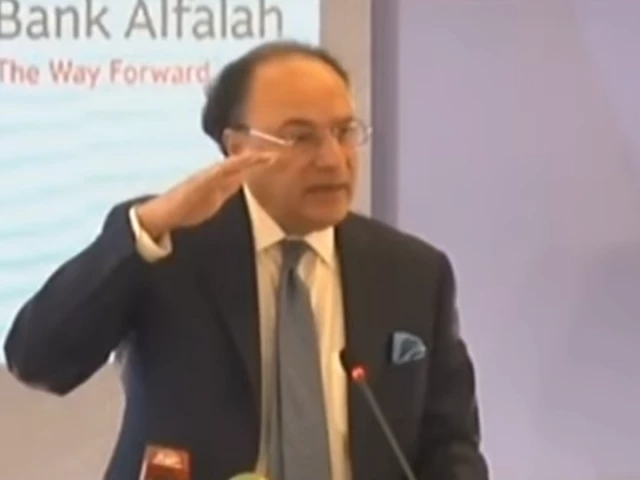
Finance Minister Muhammad Aurangzeb speaking at the Pakistan Policy Dialogue in Islamabad Photo: Screengrab
ISLAMABAD:
Pakistan’s Finance Minister Muhammad Aurangzeb on Wednesday said that while some companies had exited Pakistan due to high taxes and energy costs, new local and foreign investors were also entering the market, showing continued confidence in the economy.
“There are firms which are also leaving that is true… if the taxation is high or the energy cost is high or its financing cost is always moving in the right direction those have been real issues,” Aurangzeb said while addressing the Pakistan Policy Dialogue in Islamabad.
He said Pakistan had attracted 20 new foreign investors over the past 18 months, including Google, Aramco, Wafi Energy and Turkish Petroleum. He described high taxes and energy prices as a “real problem for businesses” but said the government had launched reforms to ease the burden and restore economic stability.
Aurangzeb said the government and private sector both needed to adapt their approaches. Referring to companies leaving the country, he said some business models were no longer viable. “But those firms which have been able to look at business models… because it takes two to tango, what the government has to do, and what the private sector has to do, and if you have wedged into their business models for the last 50 years it’s not going to work in the New World Order,” he said.
Read: Government approves Rs24bn in grants as defence, FBR get fresh funds
He said structural reforms were underway across the country, including the ongoing transformation of the Federal Board of Revenue. “Compliance and enforcement are essential to ensure implementation of tax laws,” he added.
Remittances to cross $41bn
The finance minister said Pakistan’s remittances were expected to cross $41 billion this year, up from $38 billion in the previous fiscal year, providing crucial support to foreign exchange inflows. He said reforms in tax administration and the energy sector were key parts of the government’s stabilisation agenda.
Aurangzeb said local investors had participated in the privatisation process of Pakistan International Airlines, while 24 state-owned enterprises had been transferred to the Privatisation Commission. Inefficiencies in public sector entities were costing the country nearly Rs1 trillion annually, he said.
He said Utility Stores, the Public Works Department and the Pakistan Agricultural Storage and Services Corporation had been shut down due to corruption linked to subsidy schemes.
Warning against a continued rise in import duties, Aurangzeb said such measures were harmful to the economy and needed to be rationalised to lower the cost of doing business.
Debt servicing remained the government’s largest expenditure, he said, but savings of Rs850 billion had been made last year on interest payments, with further savings expected in the current fiscal year.
Read more: Exports dip 20% despite high inflows
Aurangzeb said the government planned to launch Panda Bonds within the next two weeks to diversify external financing sources. He also cited a survey showing that 73% of investors were willing to invest in Pakistan.
On the external sector, he said the trade deficit had widened, but the current account remained within government targets. He added that large-scale manufacturing showed positive performance in the first quarter of the current fiscal year.
The finance minister said private sector credit had risen to Rs1.1 trillion, while 135,000 new investors had entered the Pakistan Stock Exchange, with market investment up 41% over the past 18 months.
Aurangzeb said Pakistan now had the world’s third-largest freelance workforce, adding that it was the government’s responsibility to provide systems and platforms to support young people.
Looking ahead, he said controlling population growth was essential if Pakistan was to achieve its goal of becoming a $3 trillion economy by 2047, warning that annual population growth of 2.55% was incompatible with sustainable development.